Are You a Publishing House?


I am often asked if Lillian Webb Illustration + Design is a publishing house.
My work is as a book designer and illustrator. I help create a book ready for printing and publishing, but I don’t publish, sell or print it myself.
Let’s define what a publishing house is and does.
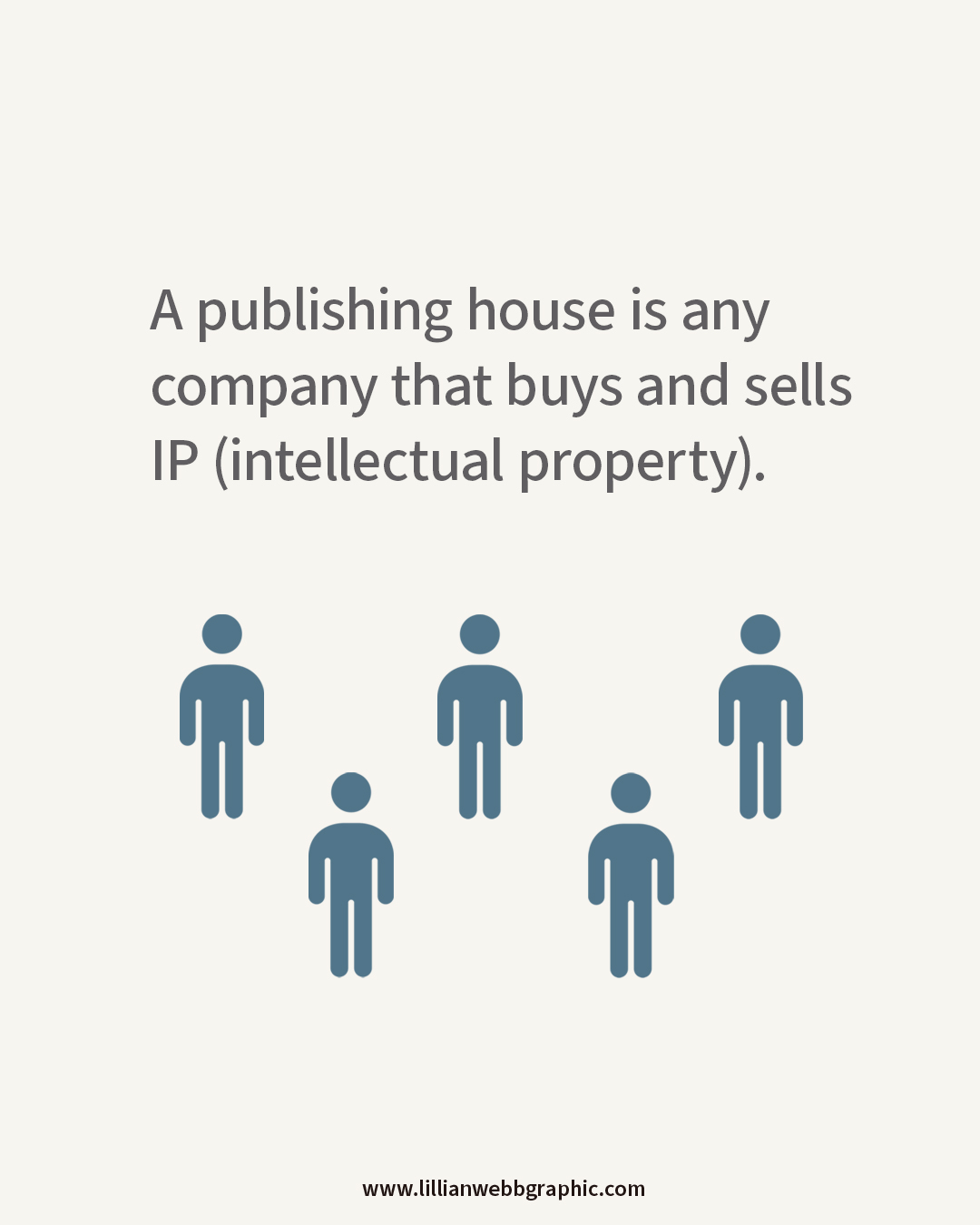
A publishing house is any company that buys and sells IP (intellectual property).
A self-publisher sells their own IP, independent of a larger company.
As a book designer, I have no rights to an author's IP but I help it look as good as possible, whether it is image or text.
I do consider how the book's design sits in a commercial space via market research and comparative title research. I do not, however, take on the role of selling the book on behalf of the author.
It might also be helpful to note that a publishing house is not a printer. I do not work at a printing house, but I do work closely with many printing houses to arrange production for my clients' work.
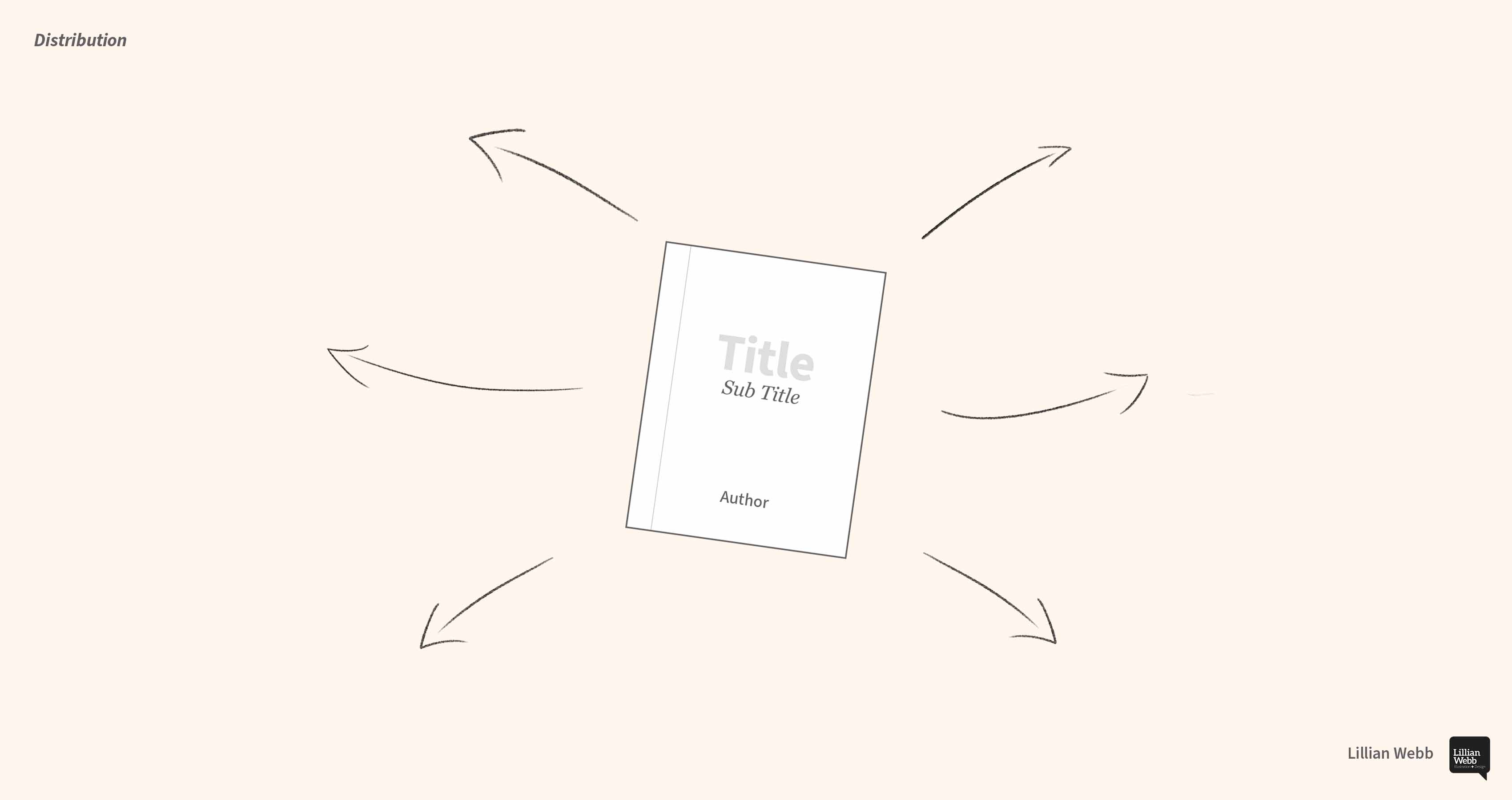
A publishing house works with a printer (or printers) but they are not the same entity.
I often take on tasks aside from design, such as organising/sourcing printing and shipping. Sometimes this is referred to as acting as a print broker.
This kind of work may be reserved for the production manager in a large publishing house.
As an independent book designer, I often switch between roles and take on tasks outside of design. The way I work shouldn’t be taken as industry standard.
The book-making world is a little confusing. There are many contributors to a single book's creation but these contributors are not always the same entity.


%201.jpg)



%20and%20Amazon%201.jpg)