As first-time bookmakers wanting to self-publish, the focus is often on the fun elements of making a book. Thoughts such as “I will get to write what I want” and “I will get to draw what I want” are so exciting. Not as much excitement is given to the practicalities of producing a book.
Although it is wonderful to contemplate the freedoms of self-publishing, at some point, the practicalities must also be addressed.
Some good questions to ask oneself when considering self-publishing could be:
How will the project be financed?
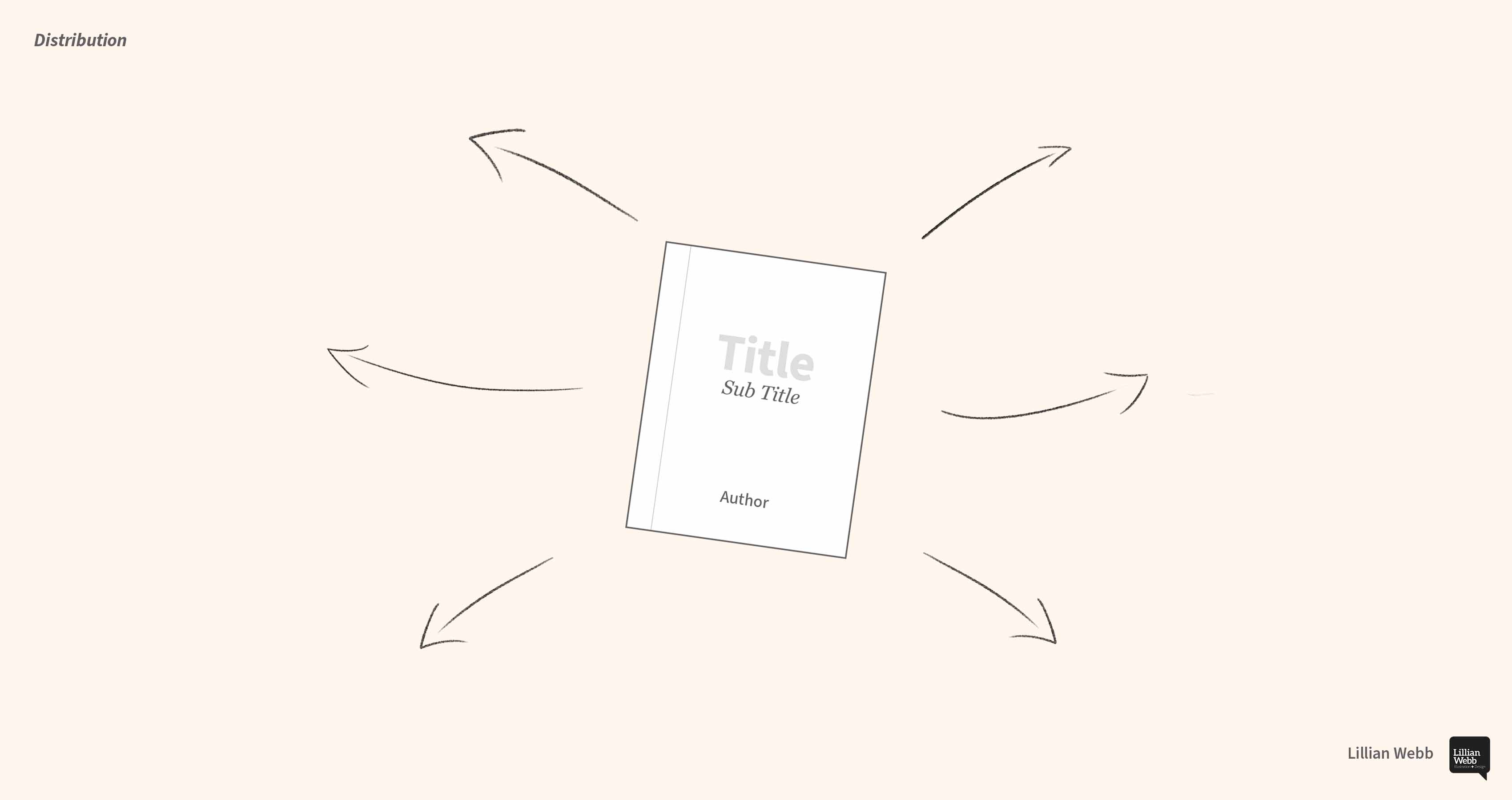
How will I organise distribution and storage?
How do I create products that people want to buy?
Who is my target reading audience?
Those who I see succeeding in both traditional publishing and self-publishing are the people who, amongst other tasks, take an active interest in the commercial aspects of the book industry. When they are writing or illustrating, they are considering target market, age reading brackets, comparing their work to current titles, possible links to school curriculum, price point, and cultural relevancy.
This isn't to say they only think of their work as a product; they just understand that their artistic output has to, at some point, be sold.
From my observations, even large publishing houses take note of an individual's commitment to promoting their work and keeping up with industry changes.
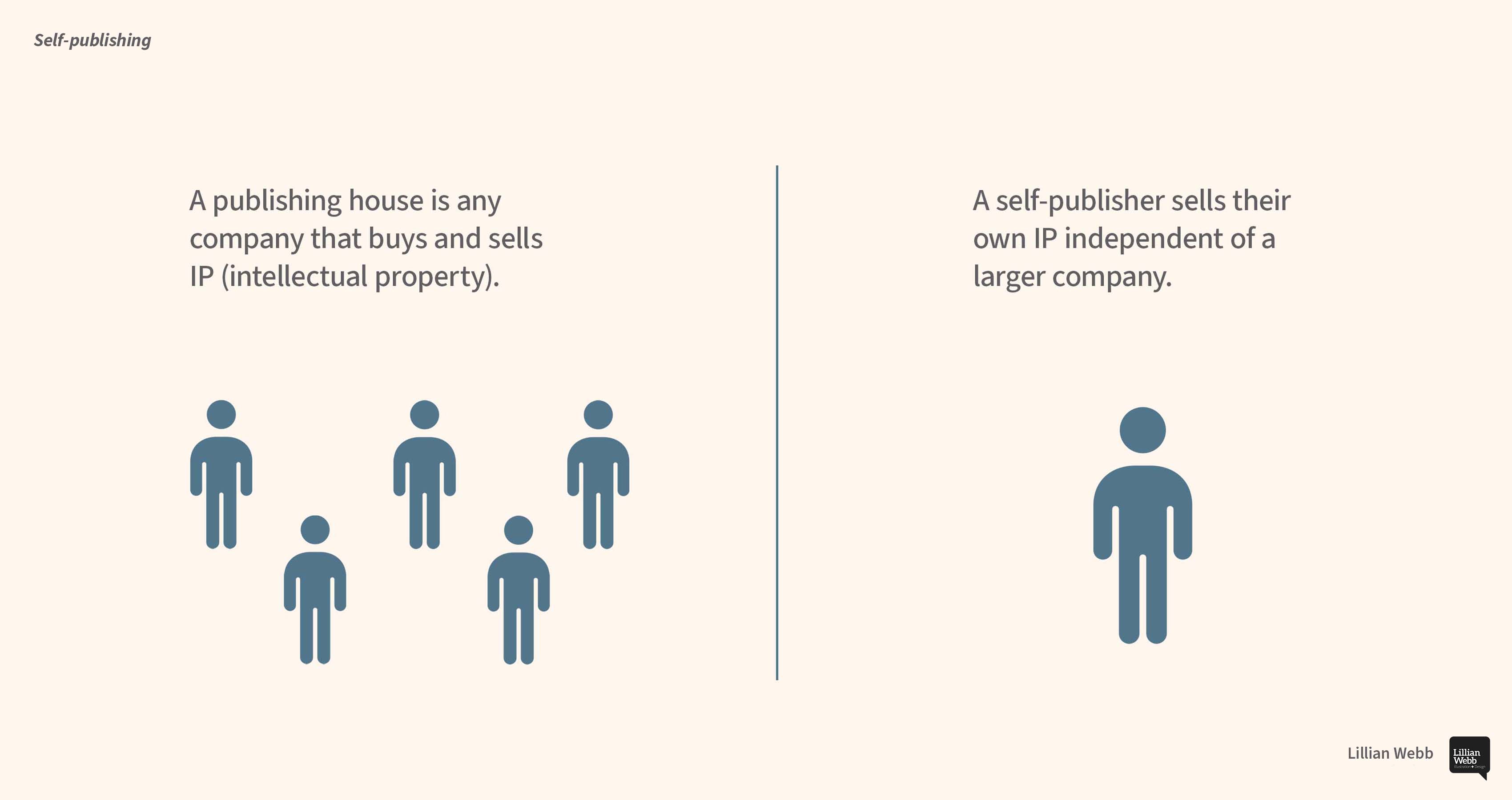
A traditional publishing house won't work on a book in isolation but employs a team of people with different skills to bring a book to life.
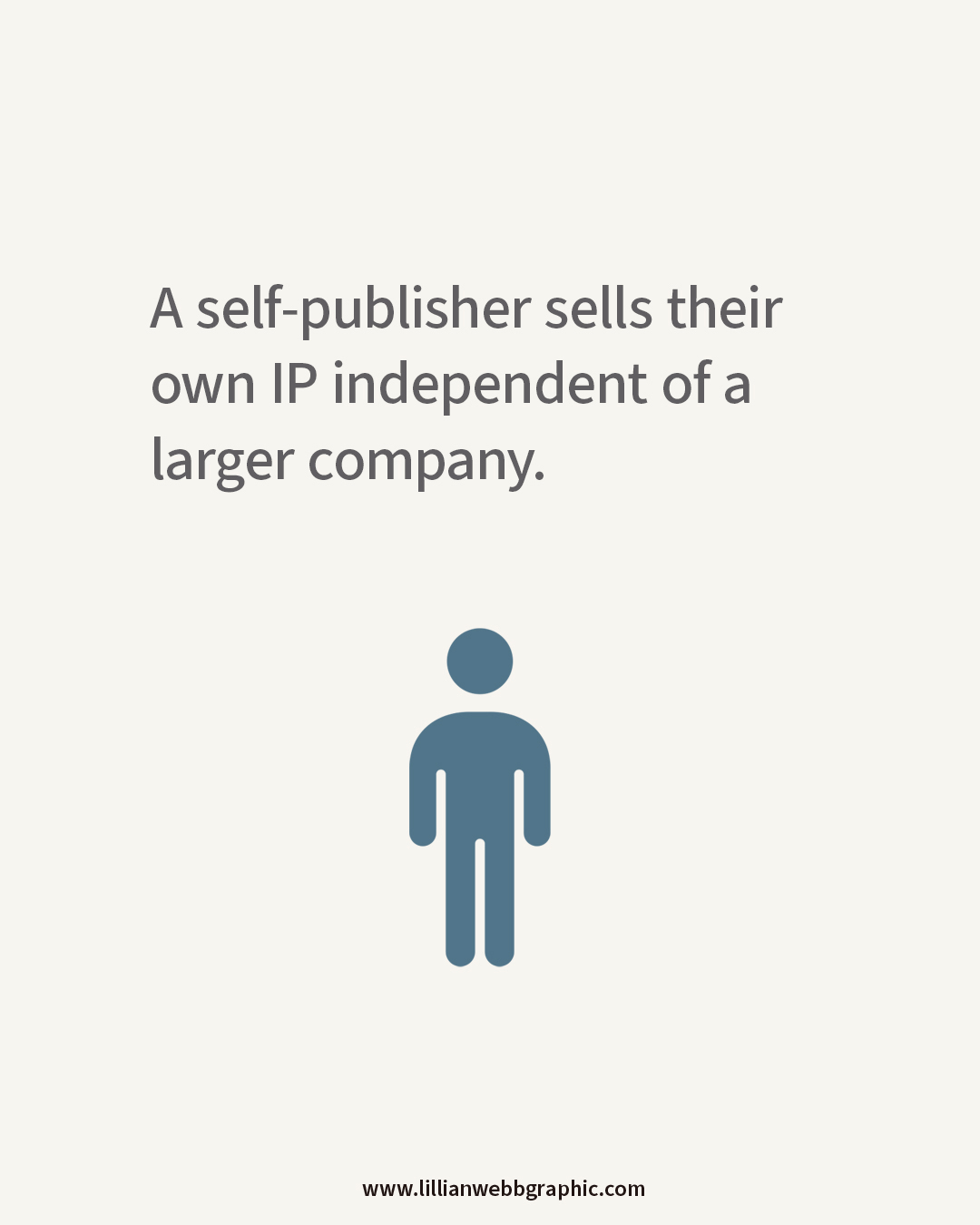
As an independent author, it’s important not to work alone either. Building a professional team to support both the author and the final product is essential.
Communities
I recommend connecting with longer-standing organisations to begin with, rather than asking to join any social media community group. Meet in real life if possible.
As a starting point, here are some wonderful communities to become involved with.
Please note that although I list certain organisations for authors or illustrators, children's books or adult books, they are not exclusive clubs. If an author writes for an adult audience, it’s still great for them to be a part of a children’s book association. Different genres can be complementary.
Associations/Communities
CBCA
Children’s Book Council of Australia (there are local branches around Australia)
cbca.org.au
For Illustrators
SCWBI
The Society of Children’s Book Writers and Illustrators
www.scbwi.org
Illustrators Aus
illustratorsaustralia.com
ASA
Australian Writers Association (resources can be found here for illustrators)
asauthors.org.au
Writing
ASA
Australian Writers Association
asauthors.org.au
HWC
Hunter Writers Centre – (located here in Newcastle where I live)
hunterwriterscentre.org
AWC
Australian Writers Centre
www.writerscentre.com.au
Writing NSW
writingnsw.org.au
Queensland Writers Centre
queenslandwriters.org.au
Writers Vic
writersvictoria.org.au
Australian Writers Guild
awg.com.au
Conferences/Festivals
Not an extensive list, merely a starting point
Kid Lit Vic
kidlitvic.com
CYA
Children, Young Adult, and Adult Writers’ and Illustrators’ Conference
cyaconference.com
CBCA
Children’s Book Council of Australia
National conference
cbca.org.au
SCWBI Festival
The Society of Children’s Book Writers and Illustrators
scbwiaustraliaeast.com
Newcastle Writers Festival
newcastlewritersfestival.org.au
Sydney Writers Festival
swf.org.au
Melbourne Writers Festival
mwf.com.au
Should I self-publish my book?
I cannot give a definitive answer here, only information.
Whether or not self-publishing is right for a particular book depends on many factors.
There are lots of different ways to self-publish, and there are pros and cons within each.
I would liken the process of becoming a self-published author to that of starting up a small business.
Research is needed before any commitment to the process is made.
Where should I start?
In no particular order or preference, here are some great resources. I would encourage reading through all these linked articles.
Reedsy
Reedsy is a company that connects book people.
They have a fantastic blog with relevant information, which I would encourage someone looking to self-publish to read thoroughly.
/blog.reedsy.com
Here is Reedsy’s breakdown of the cost of self-publishing. Please be aware that this isn’t Australian-specific.
blog.reedsy.com
Writers NSW
A wonderful set of resources for starting out as an author.
writingnsw.org.au
Anna Featherstone
Australian author with wonderful resources on self-publishing.
annafeatherstone.com
Bookishnerd
A great, comprehensive step-by-step about publishing children’s books.
bookishnerd.com
Self-Publishing School
Some good insights in this post.
self-publishingschool.com
Amazon set up and cost breakdown
I have no personal experience with Wood Bridge Publishers. I am not endorsing the company, only directing readers to the informative blog post written about the cost of setting up with Amazon.
Also note that the price points are coming from a UK point of view.
www.woodbridgepublishers.co.uk
Kindlepreneur
This post is geared to the American market but still contains information relevant to Australia. I would issue caution when the post talks about making more money from self-publishing than from traditional publishing.
kindlepreneur.com
Social media
Active publishing advice is on social media, and people want to share.
Publishers tend to release information to social media first or in combination with their website. Topics like when a publishing window will be open, competitions, release dates, etc.
Of course, social networking can have it’s drawbacks. Once one social media platform loses popularity, migration happens to another platform, but the creators remain the same. So find the people to connect with and follow them, not the platform.

%201.jpg)




%20and%20Amazon%201.jpg)