POD (print on demand) and Amazon

September 2026

Please be aware that this information is Australian-specific.

There are more POD companies in America than in Australia, and not all of Amazon's printing services are offered in Australia.

I cannot offer any step-by-step guides explaining how to use the Amazon system as yet. So independent research will be necessary here. 


An addition to the article is an explanation about IngramSpark. 

Read on to see how IngramSpark is different to Amazon.

‍

What is Amazon KDP?

Amazon and their Kindle Direct Publishing Program is a company that offers POD (print-on-demand) services. This means single books can be printed and delivered straight to the customer in very small or single batches.

This process can make a huge difference to self-publishers as it eliminates many of the initial start-up costs of publishing and printing a book.

It does not eliminate costs altogether.


There are many great online resources (including Amazon itself) that provide information on how publishing with Amazon works.


Using Amazon to publish has its own unique requirements to consider and although Amazon POD markets itself as beginner-friendly, it does require some level of expertise to operate successfully.

‍

Should I publish with Amazon?

Publishing with Amazon should be carefully considered.  

When someone works through Amazon, they are going into business with Amazon.


I can offer files that are Amazon print-ready.

What I cannot assist with is setting up a business on Amazon.


I create print-ready files for Amazon in Adobe InDesign.

I do not recommend using Amazon's inbuilt design software if a client wants a quality product.


If an author is keen to have their book stocked in their local bookstore, working solely with Amazon KDP may not be the way to go. When a store stocks a product, they need to purchase it at a trade discount, usually between 40–55%.

Amazon's prices are so low that it’s sometimes impossible for retailers to make a profit from stocking their books. 


There is also the option to ship books through Amazon and have them printed elsewhere.

Information on Fulfilment by Amazon can be found on the Australian Amazon business site.

‍

Should the free ISBN offered by Amazon, IngramSpark or other POD companies be used?

In general, I don’t recommend using free ISBNs from Amazon or IngramSpark.  Free ISBNs restrict the author to only distributing through Amazon systems. If an independent ISBN is purchased, then it can be used freely over platforms.

There are some situations where a free ISBNs and barcode could be used. If, for example, someone is selling note pads on Amazon with no original content in them, then there may not be a need for an author's ISBN and barcode. The product will still need a barcode to be sold, the free barcode supplied by Amazon, but there may not be a need for the author's name to be connected to any original IP (intellectual property).


The individual doesn't technically hold the right to their imprint with a free ISBN. 

Here is a statement from IngramSpark on this topic: 


What many self-publishers don’t realize is that if you do not purchase the ISBN yourself, your publisher imprint will not be associated with your book. If you use a free ISBN through a service, it will hold the service’s imprint, not your own.


If an ISBN is purchased through Thorpe-Bowker, the information is legally connected to that book and can’t be changed, no matter who prints or publishes it.

No items found.

What is IngramSpark and how is it different to Amazon?

Another popular POD company is IngramSpark. IngramSpark used to be more connected to Amazon but has recently begun to individualise in certain ways. 

On the surface, it looks similar to Amazon POD. Single books can be printed and delivered straight to the customer in very small or single batches.


The key differences are as follows.


Trade discounts 

As previously mentioned, Amazon's prices are so low that it’s sometimes impossible for retailers to make a profit from stocking a book. IngramSpark is different in that it gives the author more control over setting a trade price and a single sale price. If the author sets these prices correctly, bookstores may be more attracted to stocking the title.


Distribution

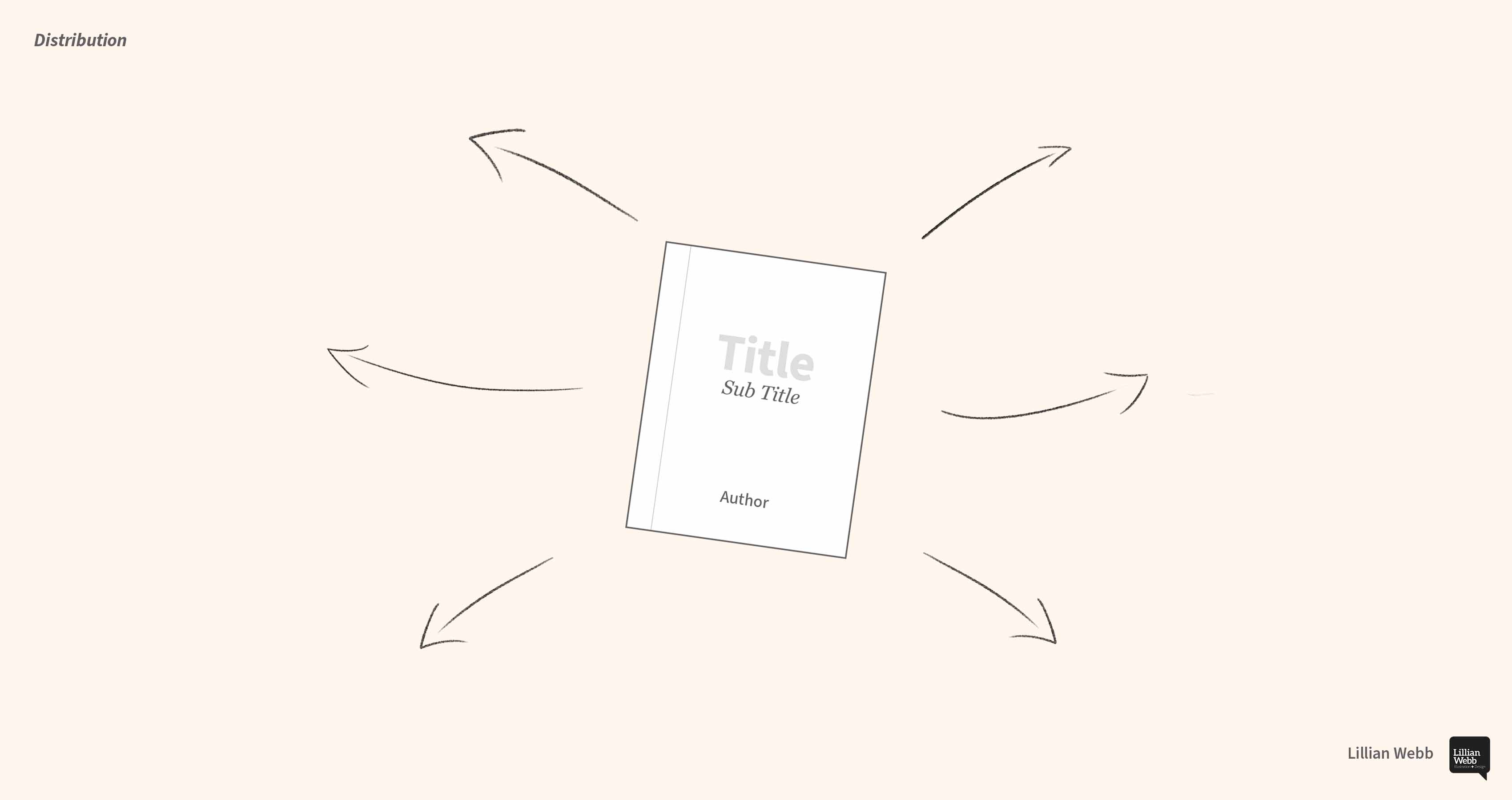
Amazon KDP worldwide distribution is impressive, but IngramSpark's distribution is generally considered superior. IngramSpark has distribution channels to many online retailers (including Amazon), brick-and-mortar stores and libraries. Apparently, the IngramSpark ordering system is far easier for bookstores and libraries to use. The self-published author will still need to do a lot of networking to get their book into stores. 

A self-publishing author can sell their IngramSpark books from a personal website while the printing is run through IngramSpark.


Product quality

Although printing options and finishes are more limited with any POD product, IngramSpark is generally considered to be of higher quality.


Expense 

IngramSpark is more expensive. This initial start-up cost will be a consideration for first-time authors. Another consideration is the steep learning curve in working the system and initial setup.

IngramSpark offers extensive price calculators on its website free of charge.


Here is where IngramSpark becomes complex

Although IngramSpark facilitates sales of a title through the avenues mentioned above and pays the author for these sales, they don’t deal directly with individual customers. 

They also don’t provide a public-facing IngramSpark storefront in the same way that Amazon KDP does. 

Amazon allows the self-publisher to use its website as an online storefront and allows individual customers to order directly from this site. 

IngramSpark won't allow an individual customer to order directly from them; they enable third parties to do this.


When using IngramSpark, setting up a separate e-commerce website can act as an independent storefront for the book. This usually also means that the self-published author must order and ship the title themselves to individual customers.

Many self-publishing authors bulk order copies from IngramSpark and then sell them through their own e-commerce store. They pack and ship the orders themselves.

Setting up an e-commerce website is part of the greater initial start-up cost that comes with IngramSpark.


Just like Amazon, I can offer files that are IngramSpark print-ready.

What I cannot assist with is setting up a business on IngramSpark.


Many authors have their books on both IngramSpark and Amazon at the same time, finding benefits in both. The links to articles below explain how this can work.


In previous articles I have likened the process of becoming a self-published author to that of starting up a small business.
This is not business advice, but hopefully a launch pad for authors to start their own business research. 

No items found.

Where to continue learning about POD options

In no particular order or preference, here are some great resources. 


Reedsy

Reedsy is a good place to start learning.

reedsy.com

reedsy.com/blog


IngramSpark Blog

The blog is a great place to learn how to use IngramSpark.

ingramspark.com

How the IngramSpark distribution system works:

ingramspark.com


Amazon KDP

Although Amazon KDPs interface can be a little unintuitive, I do encourage clients to read all the information they give on how to work with them. 

kdpcommunity.com


How authors use both IngramSpark and Amazon

Some authors have their book on both IngramSpark and Amazon at the same time, finding benefits in both.

selfpublishingadvice.com


Thank you for reading!

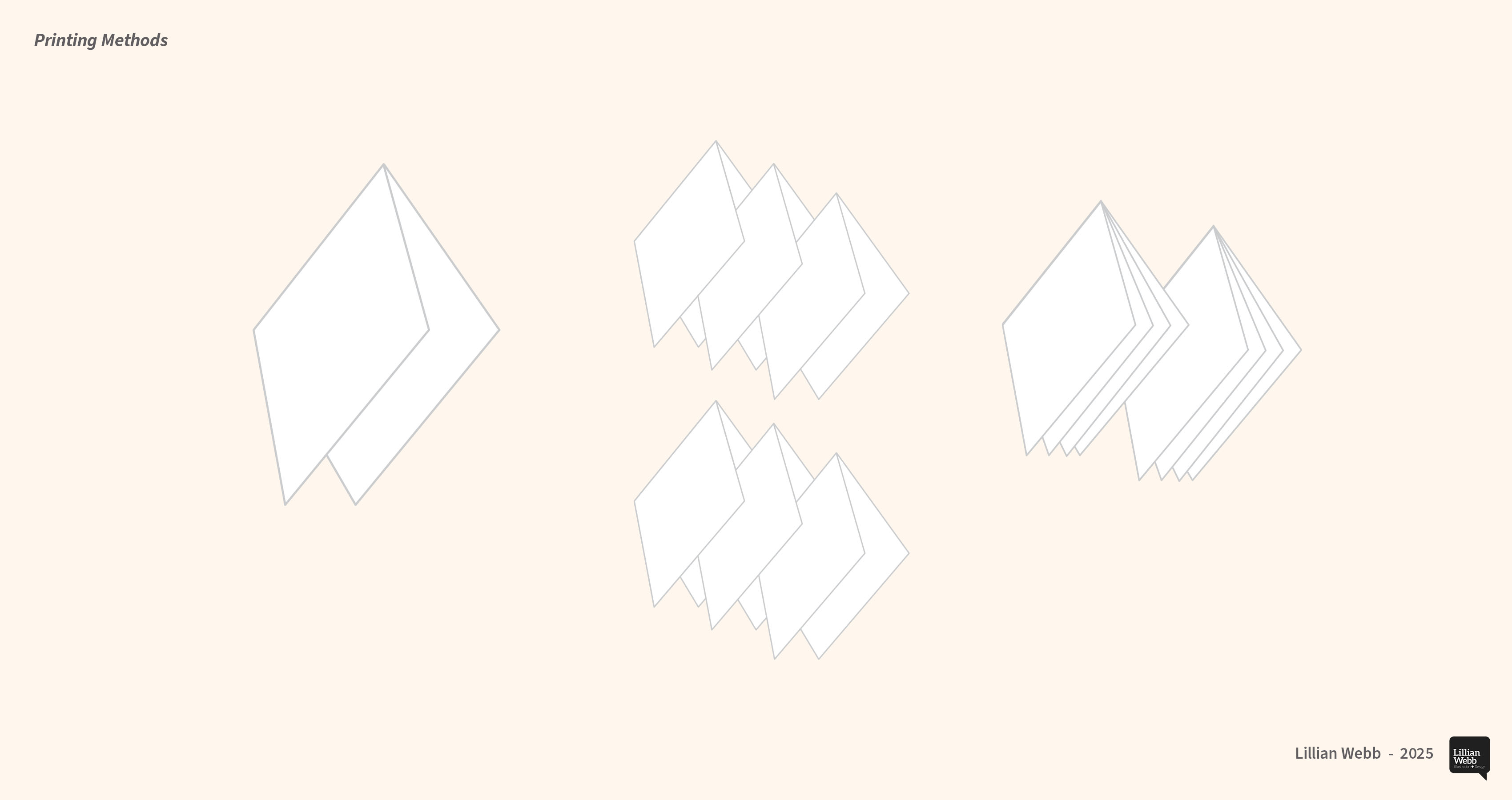
At this point, some may ask, How are POD books printed and How is POD different from other printing methods?

Read more about printing methods in the next article.

Credits

Written by Lillian Webb

Edited by Gina Cranson

Proofreading by Elizabeth Bird