Traditional Publishing

September 2026

Please note: Intellectual property law and copyright law vary from country to country. This is not legal advice.

‍

I am often asked the question, “What is a publishing house?”

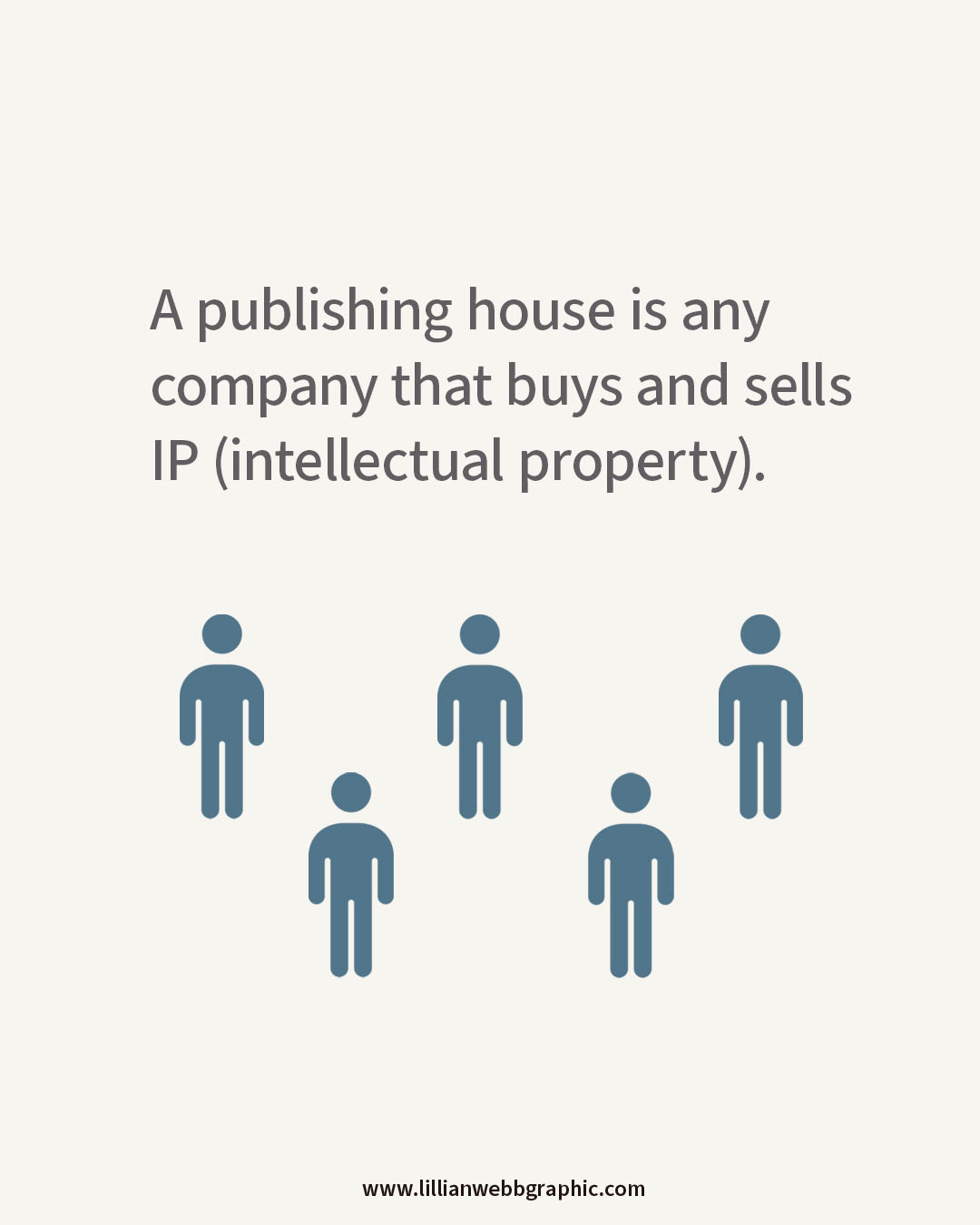
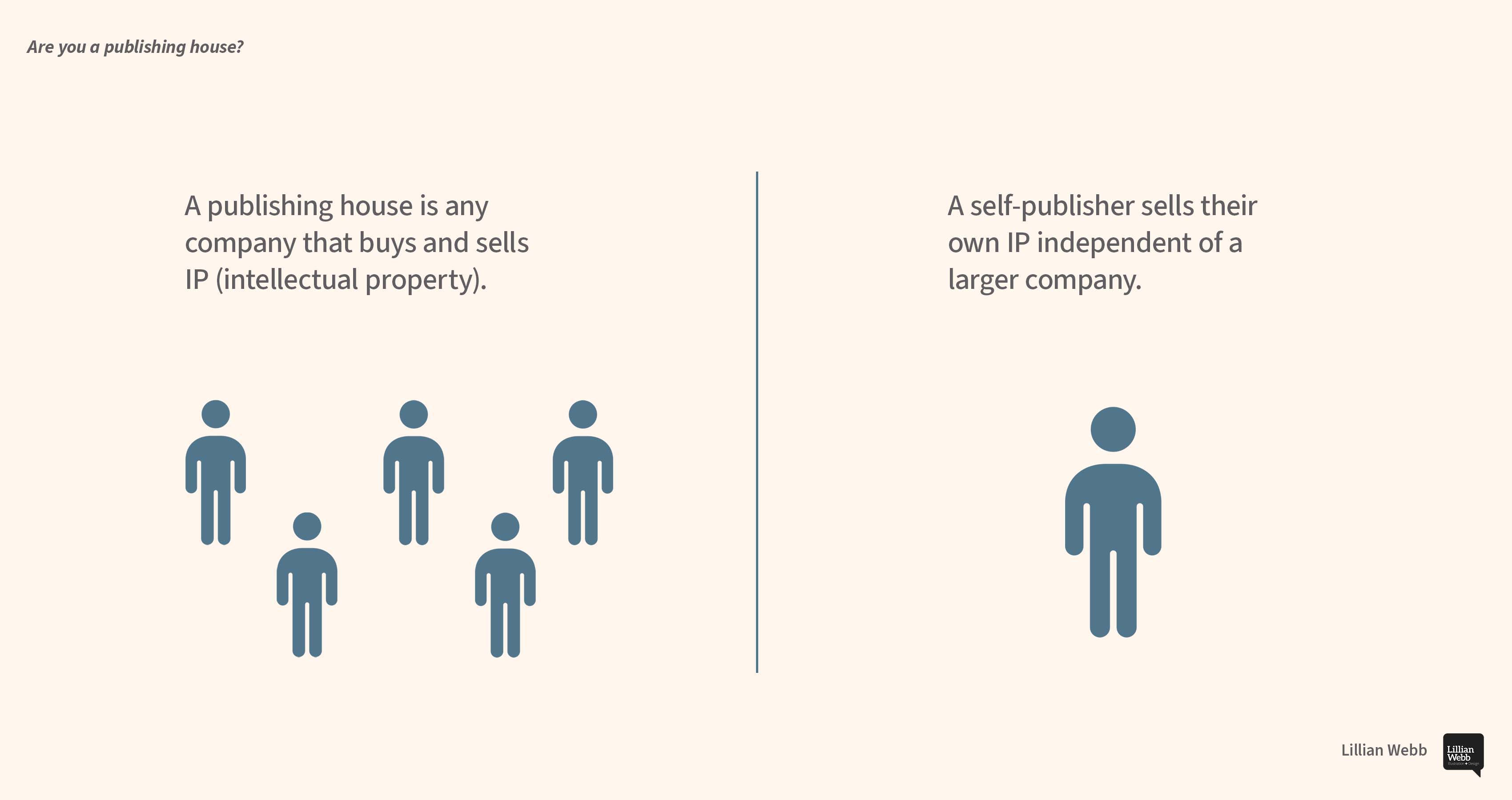
A publishing house is any company that buys and sells IP (intellectual property).

Intellectual property covers both written and visual information. 

‍

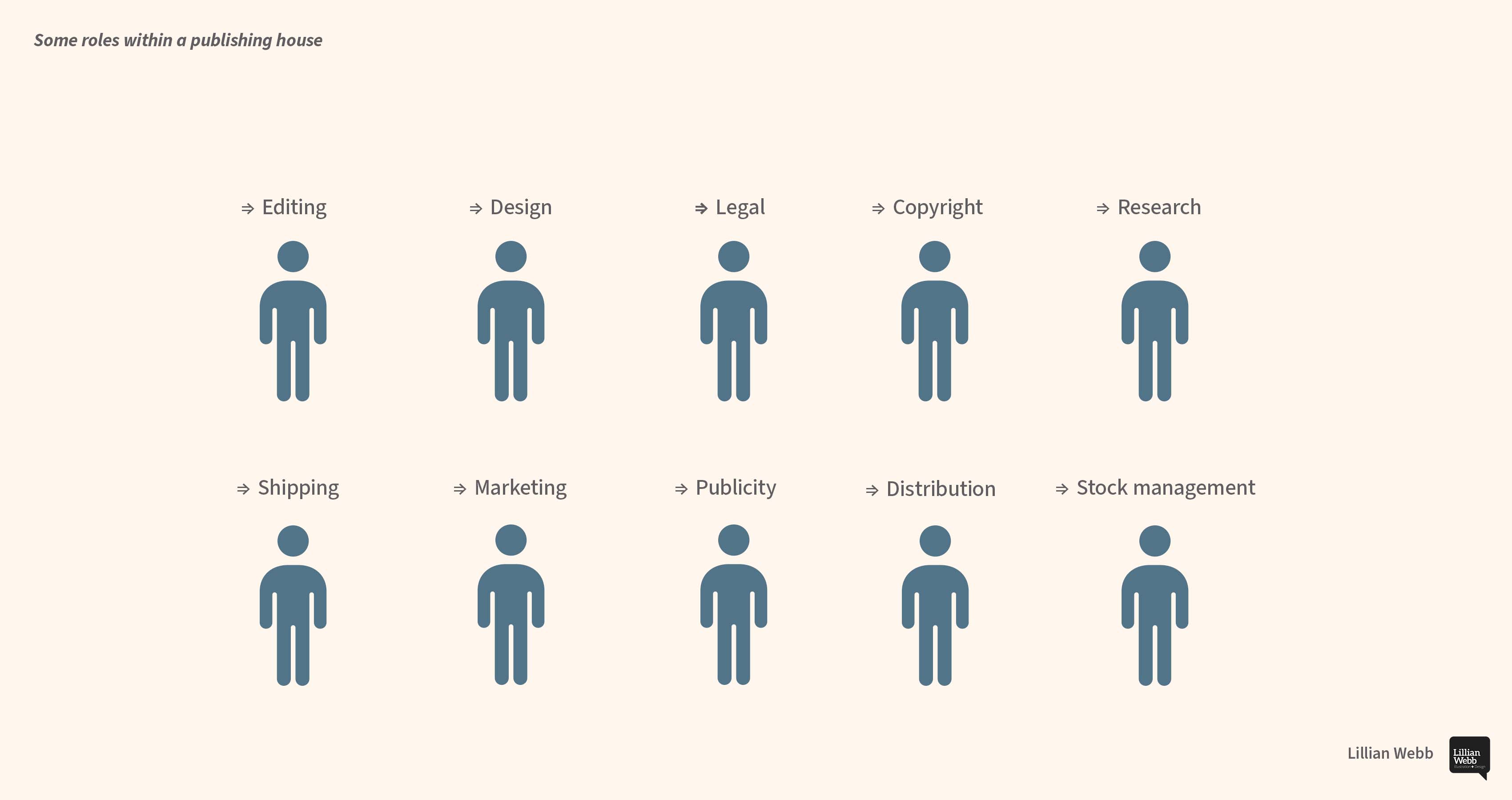
A large publishing house will usually pay for and organise the following:

‍

  • Illustrations 
  • Design
  • Legal / research 
  • Copyright
  • Printing
  • Shipping 
  • Marketing 
  • Advertising 
  • Publicity
  • Distribution 
  • Stock management

‍

When a publishing house acquires IP they have to be sure it will sell to cover the overheads of running the company.


A reputable publishing house should also be concerned about obtaining accurate information. 

Being sure that well-informed, accurate information is published should be just as important to a publishing house as the creative quality of the writing or images.

Every publishing house is different.

What qualifies as quality content for one publishing house may look different to another.

So researching the companies to work with is essential before submission.


Publishing houses are always inundated with new creative work, both written and visual. Not many are open to the public or are only open for a brief window each year.  It can be difficult to have work accepted into a large publishing house to begin with.
No items found.

Different levels of traditional publishing

Putting a publishing house into a category based on size can be tricky. 

The below is meant as a general guide rather than a set criteria.

‍

Big houses

An example of a major publishing house would be Penguin or Hachette.

Major publishing houses don’t tend to open for cold submissions.

They usually only take submissions if a literary agent represents a creative's work.

When they do open submissions, it’s usually for a short window of time each year.

Checking the website and social media of a publishing house is a good place to start learning their submission process.

‍

Independent

The line between a large publishing house and an independent one can be a little hard to draw.

Sometimes, independent publishing houses accept unsolicited manuscripts and some require going through an agent.

Independent publishing houses often focus on offbeat topics and take more risks when it comes to the themes they publish.

Again, reading the company's website thoroughly as to how and when they take submissions is important.

‍

The Small Press Network Australia has a great database of small and offbeat publishing houses.

independentpublishers.org.au

‍

Hybrid 

There is a third kind of publishing that can sometimes fit into the traditional publishing category: hybrid publishing models.

Hybrid publishing is when the author pays some of the publishing costs while the publishing house enables the printing/publication and selling of the product.

‍

This is a tricky topic to talk about, as many hybrid publishing options border on scams. I am not going to talk too much about this subject as it needs a full article dedicated to it. 

As a general guide, if a publishing house cold approaches an individual, it’s probably not legitimate.

The unethical nature of these businesses isn't so much that they will steal IP; rather, they will take a huge sum of money and do nothing for the publication.

‍

Of course, not every business that asks for author financial input is fraudulent.

I would like to draw positive attention here to Little Steps Publishing in Australia. I know quite a few people personally who have had good experiences with Little Steps. I feel this company is a good example of an ethical hybrid process. 

They have a great website with lots of information about how they work.

littlesteps.com.au

No items found.

How to submit work to a publishing house

Every publishing house has a different procedure for submitting work, so it is always best to read the instructions on the company’s website.

‍

All publishing houses operate differently, and all have particular requirements regarding how they like work to be submitted. Some will look at a proposed publication as is, and some will just want to see a portfolio. Most companies will only take digital submissions. Some are not open to the public. Research is very important. Research the style of books that publishing houses create and their target market.

‍

● Read their exact criteria for submitting work.

● Work out the prepublished book’s intended target market and age group before submitting.

● Compare the prepublished product to other books already on the market.

‍

The above is only a brief comment on what is required in understanding a publishing house's submission process.

For authors interested in learning industry publishing standards, I would recommend taking courses delivered by Australia Writers’ Centre.

These courses are accessible, reasonably priced and tailored to the Australian industry. 

writerscentre.com.au

‍

Thank you for reading to the end!


Self-publishing has become a popular option for many first-time authors. Self-publishing has its own set of challenges.

I have written an article describing what self-publishing is and included a list of resources and further reading towards the end.

Credits

Written by Lillian Webb

Edited by Gina Cranson

Proofreading by Elizabeth Bird